
The Future of Remote Vibration Monitoring in Smart Manufacturing
Modern factories are becoming smarter and more connected. Machines now work for long hours and send information about their condition in real time. This helps industries understand problems early and avoid sudden breakdowns.
One important sign of machine health is vibration. When everything is normal, vibration stays steady. When something is wrong, it changes.
A vibration monitoring system helps to simply track these changes. It gives early warnings so issues can be fixed before they grow into serious problems.
Understanding How Vibration Sensors Work in Industrial Systems
Machines always move and shake a little while working. This is called vibration. When machines are healthy, this vibration is steady and even.
But when something inside the machine becomes loose, broken, or not working properly, the vibration starts to change. These changes can start small but grow over time.
A small device is placed on machines to check this vibration. It keeps watching the movement again and again.
A vibration monitoring equipment setup helps turn these vibration signals into simple information. It shows if the machine is working fine or if something is wrong. This helps in finding problems early, even before the machine stops working.
Vibration Monitoring System Basics
A vibration monitoring system works like a watch that never sleeps. It keeps checking the machine’s vibration all the time. The monitoring system does not stop the machine or slow it down. It just quietly watches how the machine is moving.
Simple things it does:
- Checks vibration all the time
- Finds small problems early
- Shows machine health in an easy form
- Gives a warning when something changes
- Helps plan repairs early
This makes it very easy for workers to understand machine conditions without needing deep technical knowledge.
How Remote Monitoring Works
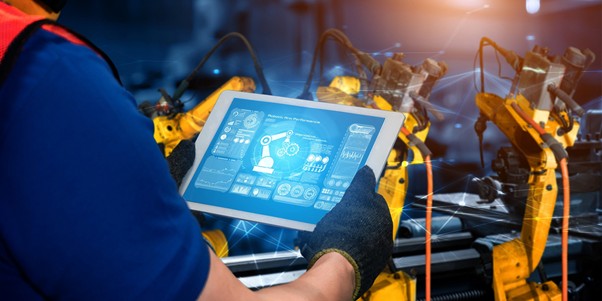
Remote monitoring means checking machines from far away. Instead of going to the machine, everything can be seen on a screen.
Sensors collect vibration data from machines and send it to a system. This system shows what is happening inside the machine in real time.
The monitoring equipment setup makes this process simple. It helps people see machine condition from anywhere, even from another room or building. This saves time and makes work easier.
Key Vibration Equipment Components
A vibration system is made of different parts that work together. Each part has a simple job. A vibration monitoring system usually includes:
- Sensors attached to machines
- Devices that collect vibration data
- Tools that send data forward
- Software that shows machine health
- Warning system for alerts
All these parts work together to make machine checking easy and clear. Even small changes in vibration can be seen quickly.
Benefits of Vibration Monitoring Systems
Using vibration tracking in machines gives many simple and useful benefits. A vibration monitoring equipment system helps in:
- Finding problems early
- Stopping sudden breakdowns
- Helping machines last longer
- Planning repairs better
- Saving money on repairs
It also helps machines run smoothly because small issues are fixed before they become big problems.
IoT Integration in Vibration Systems
Today, machines are becoming smarter and more connected. IoT helps machines send data through the internet.
When vibration systems are connected with IoT, machine data can be seen on phones, tablets, or computers.
A monitoring system with IoT helps track many machines at the same time. It also saves all data so it can be checked later. This helps understand how machines behave over time.
Industrial Use Cases
Vibration monitoring is used in many places where machines are very important.
Some common examples are:
- Factories with production work
- Heavy machines in industries
- Machines that run all day
- Processing plants
- Mechanical systems
A vibration monitoring equipment setup helps in all these places because it keeps machines safe and stops sudden breakdowns that can stop work.
Implementation Challenges
Even though vibration systems are helpful, setting them up is not always simple.
Some common problems include:
- Choosing where to place sensors
- Understanding vibration data
- Connecting old machines with new systems
- Handling large amounts of data
- Keeping sensors accurate for a long time
A vibration monitoring system must be installed carefully so it works properly and gives correct information.
Future Smart Manufacturing Trends
Factories in the future will be smarter and more automated. Machines will not only work but also tell how they are feeling.
A vibration monitoring equipment system will become even better with faster alerts and more accurate results. It will help find problems before they become serious.
Future systems will focus on:
- Faster problem detection
- Automatic warnings
- Better machine prediction
- Easier data understanding
This will make factories safer and more efficient.
Take Control of Machine Health with Smarter Monitoring
To improve machine safety and reduce unexpected breakdowns, using a vibration monitoring system can make a big difference in daily industrial operations. It helps track machine health in a simple way and gives early signals when something is not working properly. For better guidance and engineering support in building reliable monitoring solutions, Qi Dynamics focuses on practical systems designed for real industrial needs and smoother machine performance.
FAQs
1. What is a vibration monitoring system?
A vibration monitoring system checks machine movement all the time. It helps find early signs of problems so machines do not stop suddenly, and work can continue smoothly without interruption or damage.
2. What is vibration monitoring equipment used for?
Vibration monitoring equipment is used to track machine vibration. It helps detect small issues early, improve machine safety, reduce repair costs, and keep machines working properly for a longer time.
3. Why is vibration monitoring important?
It is important because it helps stop machine failures before they happen. It makes machines safer, reduces breakdowns, and helps factories run smoothly without unexpected stops or delays in work.
4. Can vibration monitoring systems work remotely?
Yes, they can work remotely. Machine data is sent to a system that can be checked from anywhere. This helps people monitor machines without going near them all the time.