

bb Benefits of Wireless Vibration Sensors for Industrial Maintenance
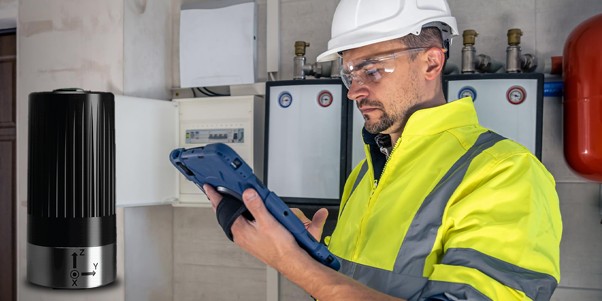
In a factory, a machine can look fine and still be heading toward trouble. That is why machine health monitoring matters so much. It gives teams a chance to catch small changes early, before a motor, pump, or conveyor turns into a costly surprise. A wireless vibration sensor fits this need because it watches machine movement without making the process hard or messy.
When equipment fails without warning, the whole day can go sideways. Production slows down. Repair pressure rises. Costs climb fast. A simple monitoring setup can change that story. The QI2500 Vibration Sensor is built for this kind of work, with steady tracking of vibration and temperature so maintenance teams can stay a step ahead.
Why Industries Are Switching to Wireless Monitoring Solutions
An industrial maintenance sensor is getting more attention because factories want simple tools that save time. Old-school checks can take too long, especially when machines sit in tight or hard-to-reach places. Wireless monitoring cuts out a lot of that fuss.
It also fits the way modern plants work. Teams need quick answers, not long waits. They need data they can trust, and they need it fast. That is why wireless options are becoming the go-to choice for many operations.
How a Wireless Vibration Sensor Helps Detect Equipment Problems Early
A wireless vibration sensor watches for tiny changes that often show up before a major breakdown. A motor may start shaking more than usual. A pump may run rough. A bearing may begin to wear out. These small changes matter.
The QI2500 Vibration Sensor tracks those shifts with trend data and on-device processing. That means the numbers are not just sitting there. They are being turned into useful information that maintenance teams can act on before trouble gets bigger.
Benefits of Using Industrial Maintenance Sensors for Preventive Maintenance
A good industrial maintenance sensor gives teams better control over repair work. Instead of reacting after something breaks, they can plan. That makes the whole maintenance process calmer and less chaotic.
A few clear gains stand out:
- fewer surprise repairs
- better planning for service work
- less stress for maintenance teams
When teams can spot early signs, they can line up parts, time, and people before the job turns into a fire drill.
Reducing Downtime and Maintenance Costs with Real-Time Monitoring
A wireless vibration sensor gives live updates, and that matters a lot when every minute counts. Real-time monitoring means teams can see changes as they happen, not after the machine is already down.
That can save money in more than one way. It reduces emergency work. It lowers lost production time. It also keeps small problems from growing into expensive ones. In plain words, it keeps the day from going sideways.
Improving Safety and Maintenance Efficiency in Industrial Facilities
A machine that is acting strangely can become a safety issue, too. Excess shaking, heat, or imbalance may put extra pressure on parts and workers alike. That is why early checks matter.
When teams use an industrial maintenance sensor, the work gets more organized. Less guessing. Less back-and-forth. Less wasted effort. That kind of clarity makes a plant feel easier to manage.
The QI200 Remote Wireless Activation Switch adds another layer of convenience by letting teams access data without standing right next to the machine. That is a big plus in busy areas or hard-to-reach spots.
Remote Monitoring Advantages for Large Industrial Operations
Large sites often have equipment spread all over the place. Walking from one machine to the next can eat up time fast. Remote monitoring cuts that travel down.
With remote access, teams can check machine data, review trends, and stay on top of issues without stopping work. For plants with many motors, pumps, and conveyors, that kind of setup saves a lot of legwork.
Important Features to Consider in a Wireless Vibration Sensor
A wireless vibration sensor should do more than just send data. It should make daily work easier. The best features are the ones that keep things simple and useful.
Look for:
- vibration and temperature tracking
- trend graph visibility
- rugged industrial build
- easy installation
- remote access without a lot of setup
The QI2500 Vibration Sensor checks those boxes well. It is built for industrial use and keeps the process practical instead of fancy.
Industries That Benefit Most from Industrial Maintenance Sensors
An industrial maintenance sensor fits best where machines run often, and failure is costly. That includes manufacturing, rotating equipment, and operations that depend on motors, pumps, compressors, and conveyors.
These industries need steady visibility because small machine changes can spread fast. When the warning signs are caught early, the whole operation runs more smoothly.
The Future of Smart Industrial Maintenance with Wireless Sensor Technology
A wireless vibration sensor fits the direction industrial maintenance is heading. Plants want cleaner setups, faster checks, and smarter planning. They do not want more clutter. They want better control.
Smart maintenance is really about staying ahead of trouble without making the job harder. Wireless tools fit that idea well, especially when teams want real-time visibility and simple workflows.
Upgrade Your Maintenance Strategy with Reliable Wireless Vibration Sensors
A wireless vibration sensor gives maintenance teams a better way to keep an eye on machines and catch trouble early. QI Dynamics brings that practical approach together with the QI2500 Vibration Sensor, which supports easier monitoring, faster response, and smoother day-to-day maintenance.
FAQs
Q1) Why is wireless monitoring useful in factories?
It gives teams quicker access to machine data and reduces the need for manual checks in awkward or busy spots.
Q1) What machines benefit most from vibration tracking?
Motors, pumps, compressors, conveyors, and rotating equipment often benefit because they show wear through vibration changes.
Q3) How does real-time data support maintenance?
It shows warning signs early, so teams can plan repairs before a small issue turns into a shutdown.
Q4) Why do trend graphs matter?
Trend graphs show how machine behavior changes over time, which makes slow problems easier to spot.
Q5) Does remote access save time?
Yes. It cuts travel between machines and makes it easier to check equipment without stopping production.