

Why Manufacturers Are Investing in Wireless Vibration Monitoring Systems
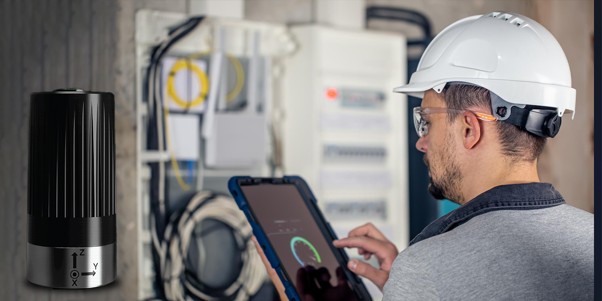
Manufacturing teams are under constant pressure to keep machines running and costs under control. That is why predictive maintenance has become such a big deal. When a motor, pump, or conveyor fails without warning, the whole day can turn into a headache. A wireless vibration monitoring system gives teams a cleaner way to watch equipment, spot changes early, and act before a small problem turns into a shutdown. Solutions like the QI2500 Vibration Sensor fit into this shift because they support simple, real-time machine monitoring without adding extra hassle.
Why Real-Time Machine Monitoring Is Becoming Essential
Machines do not always fail loudly. Many give small signs first. A tiny shake, a little heat, or a new sound can mean trouble is on the way. Real-time monitoring makes those signs easier to catch.
That matters because production floors move fast. Teams cannot wait for a weekly check and hope for the best. They need live visibility. When data comes in right away, maintenance teams can react sooner and keep work moving.
How a Wireless Vibration Monitoring System Improves Maintenance Planning
A wireless vibration monitoring system gives maintenance teams more room to plan instead of rushing. That is a big win. It shows machine behavior over time, so patterns are easier to read.
Instead of reacting after something breaks, teams can:
- Notice small changes before failure
- plan repairs during better time slots
- Reduce last-minute work
- keep production flow steadier
That kind of planning feels calmer and smarter. It also cuts down on surprise repairs that always seem to come at the worst time.
Key Benefits of Using a Wireless Vibration Sensor in Industrial Equipment
A wireless vibration sensor brings useful data to places where wires can get in the way. It is a practical choice for busy industrial setups, especially when equipment is hard to reach.
The biggest benefits are simple:
- faster access to machine data
- less physical climbing or cable running
- easier checks on moving or enclosed equipment
The QI200 Remote Wireless Activation Switch adds even more convenience by making remote access easier. For hard-to-reach machines, this can save time and reduce stress.
Reducing Downtime and Preventing Unexpected Equipment Failures
Downtime is expensive. It slows output, puts pressure on the team, and can throw off the whole schedule. Wireless monitoring brings early warning into the picture, which makes a huge difference.
When vibration or temperature starts to shift, teams can step in before the machine stops. That means fewer surprise failures and fewer emergency repairs. It also means more control over the day, which every plant can use.
Why Manufacturers Prefer Wireless Monitoring Over Traditional Wired Systems
Wired systems still have a place, but wireless options are often easier to live with. They are faster to set up and easier to move when equipment changes.
Many manufacturers like wireless systems because:
- No long cable runs are needed
- Access is easier in tight or busy spots
- The setup is simpler and faster
- Production does not need to stop as often
That simple setup makes adoption smoother. The QI2500 Vibration Sensor fits this style well because it keeps the process practical from start to finish.
The Role of Wireless Monitoring in Smart Manufacturing
Smart manufacturing is not just about fancy tech. It is about making better decisions with less effort. Wireless monitoring supports that goal by giving teams live machine data without adding clutter.
It keeps the focus on useful information, not noise. That means teams can watch machine health, track trends, and make quick calls when something looks off. The result is better control and fewer blind spots.
Common Industrial Applications of Wireless Vibration Sensors
Wireless monitoring is useful in many plant settings. It shows value where machines run hard, and access is not always easy.
Common uses include:
- motors
- pumps
- compressors
- conveyors
- rotating equipment
- manufacturing machines
These machines often show early wear through vibration changes. Catching that early can save time, money, and a lot of frustration.
Important Features Manufacturers Look for in a Wireless Vibration Monitoring System
The best systems are not always the most complicated ones. Many teams want something simple, strong, and easy to trust.
Important features include:
- easy setup
- real-time alerts
- temperature tracking
- graph trend data
- rugged design
- remote access without extra fuss
The QI2500 Vibration Sensor stands out because it focuses on clear machine health data and simple use. That kind of setup matters on a real factory floor.
How Wireless Monitoring Supports Long-Term Cost Savings
Small savings add up fast in manufacturing. When teams catch problems early, they avoid bigger repairs later. They also avoid the hidden cost of lost production time.
Wireless monitoring supports savings by:
- lowering emergency repair costs
- extending equipment life
- reducing unnecessary downtime
- making maintenance work more targeted
Over time, that can make a big difference to the budget. It is not flashy, but it is smart.
Challenges Businesses Can Solve with Wireless Monitoring Technology
Many plants deal with the same old problems. Equipment sits in hard-to-reach spots. Checks take too long. Warning signs get missed. Repairs become rushed. That is where wireless monitoring brings relief.
It makes monitoring easier in active production spaces, enclosed systems, and awkward machine locations. It also reduces the need to stop work just to check equipment. For many teams, that alone is a major upgrade.
Future Trends in Wireless Vibration Monitoring Systems
Wireless monitoring is moving toward simpler access, faster alerts, and better trend visibility. Teams want tools that are easy to use and easy to trust. They do not want extra complexity.
The future likely belongs to systems that give clear data, quick setup, and flexible access. That is the direction many manufacturers are already heading.
Upgrade Your Maintenance Strategy with Advanced Wireless Monitoring Solutions
Unexpected machine problems can slow down production and create unnecessary repair stress. A reliable wireless vibration monitoring system gives maintenance teams a simpler way to monitor equipment, track machine changes, and respond earlier before problems grow larger.
QI Dynamics offers practical monitoring solutions like the QI2500 Vibration Sensor and QI200 Remote Wireless Activation Switch to support easier machine visibility, faster maintenance response, and smoother industrial operations.
FAQs
Q1) Why do manufacturers use wireless monitoring?
They want faster machine checks, fewer cable problems, and simpler access to equipment health data.
Q2) What machines benefit most from wireless monitoring?
Motors, pumps, compressors, conveyors, and rotating equipment often benefit because they show wear through vibration changes.
Q3) Does wireless monitoring reduce downtime?
Yes. It gives early warning signs, so teams can fix issues before a machine stops working.
Q4) Is wireless setup hard for plant teams?
Usually not. Many systems are built for quick installation and simple daily use.
Q5) Why is trend data important?
Trend data shows changes over time. That makes it easier to spot slow problems before they grow into failures.